From Design to Installation: How Custom Commercial Signs Are Fabricated
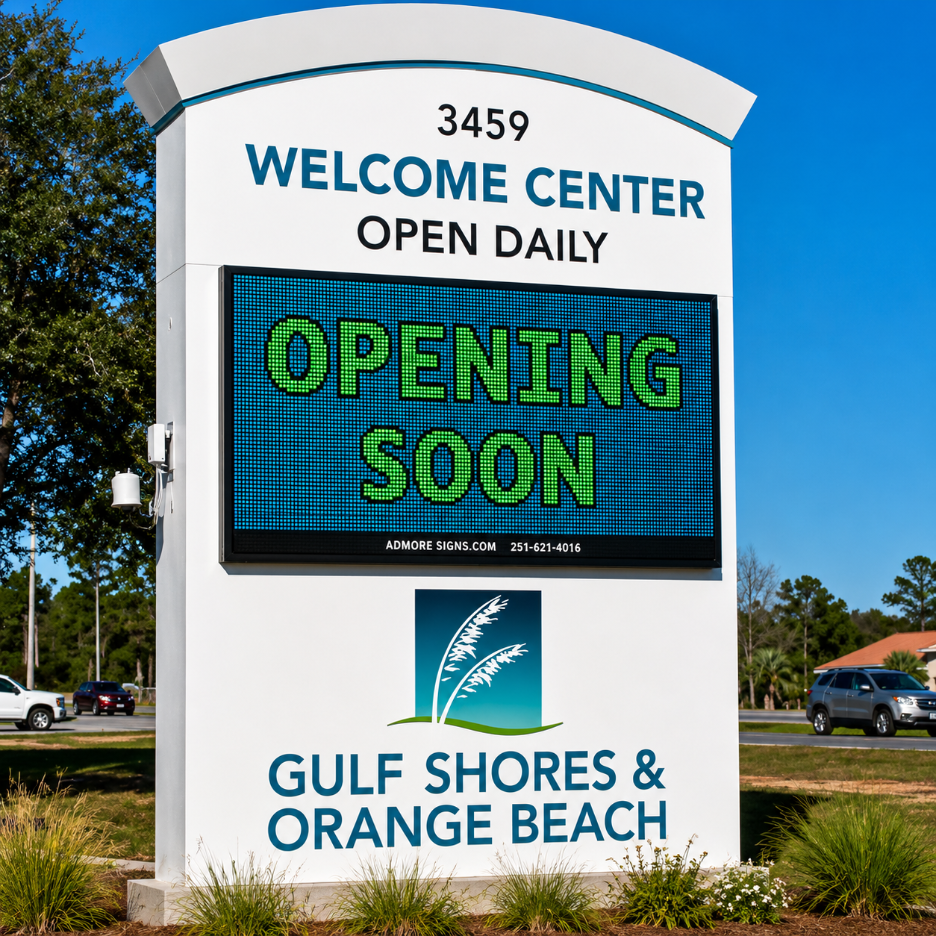
Businesses invest in professional signage because it creates a strong first impression, improves visibility, and helps customers identify their location with confidence. A well-crafted sign represents a company’s brand every day while supporting long-term marketing efforts. Understanding the sign fabrication process allows business owners and facility managers to appreciate the craftsmanship, planning, and expertise required to create durable commercial signage.
At Visibility Signs & Graphics, every project follows a structured process that combines creative design, quality materials, advanced manufacturing, and professional installation. Whether you need to storefront graphics, monument signs, illuminated signs, or wayfinding systems, every stage is completed with precision to deliver lasting results.
Choosing an experienced commercial signage company ensures your investment reflects your brand professionally while meeting local regulations and installation requirements.
Why Sign Fabrication Matters
Commercial signs do much more than displaying a business name. They communicate professionalism, strengthen branding, and help customers locate their business quickly. Effective signs also contribute to customer confidence before they enter your building.
Professional sign fabrication focuses on creating signage that balances appearance, durability, and functionality. Every project is customized to meet the specific goals of the business while considering the building structure, surrounding environment, and customer experience.
Benefits of professional sign fabrication include:
- Improved business visibility
- Stronger brand recognition
- Consistent company image
- Long-lasting durability
- Compliance with local sign regulations
- Professional installation for maximum safety
Businesses searching for building signs near me often discover that quality fabrication directly impacts how long their signage performs and how effectively it represents their brand.
The Complete Sign Fabrication Process
Every commercial sign follows several carefully planned stages before installation. Each phase contributes to the final quality and long-term performance of the finished product.
Professional fabrication involves collaboration between designers, fabricators, production specialists, and installers who work together to produce signage that matches the customer’s branding and project goals.
Step 1: Understanding Business Requirements
Every successful project begins with consultation and planning.
During this stage, the fabrication team learns about the company’s branding, target audience, building type, visibility requirements, and signage objectives. Measurements are taken, photographs are reviewed, and installation conditions are evaluated before design work begins. Key planning considerations include:
- Business branding
- Installation location
- Indoor or outdoor use
- Local sign regulations
- Customer visibility
- Lighting requirements
- Material preferences
Proper planning reduces delays while ensuring the finished sign supports the company’s marketing goals.
Step 2: Creating the Custom Sign Design
After gathering project requirements, designers begin developing concepts that align with the company’s visual identity.
The design phase focuses on creating signs that remain readable from appropriate viewing distances while maintaining brand consistency. Designers carefully consider typography, colors, spacing, logos, and overall layout.
Modern design software allows customers to review digital proof before production begins, making it easier to approve every detail. Professional sign designers evaluate:
| Design Element | Purpose |
|---|---|
| Logo Placement | Reinforces brand recognition |
| Typography | Improves readability |
| Color Selection | Matches company branding |
| Sign Dimensions | Maximizes visibility |
| Material Choice | Supports durability |
| Lighting Features | Improves day and night visibility |
An experienced commercial signage company ensures every design balances aesthetics with functionality.
Choosing the Right Materials
The materials selected during sign fabrication directly affect appearance, longevity, maintenance requirements, and environmental performance.
Every material offers unique advantages depending on the sign’s purpose, location, and exposure to weather conditions.
Outdoor signage requires materials capable of resisting moisture, sunlight, temperature changes, and daily wear while maintaining their appearance for years.
Common Materials Used in Commercial Sign Fabrication
Several materials are commonly used depending on the application.
Aluminum
Aluminum remains one of the most popular materials because it is lightweight, corrosion resistant, and highly durable. It works well for exterior building signs, directional signs, and post-mounted signage.
Acrylic
Acrylic provides a clean, modern appearance with excellent clarity. It is frequently used for lobby signs, illuminated signs, and dimensional lettering.
PVC
PVC offers an economical solution for many interior signs while providing excellent versatility for custom shapes and lettering.
High Density Foam
High density foam allows fabricators to create dimensional architectural signage with impressive depth while remaining relatively lightweight.
Vinyl Graphics
Vinyl graphics are widely used for windows, vehicles, walls, and temporary promotional signage because they offer flexibility and vibrant color reproduction.
LED Components
LED lighting enhances visibility while improving energy efficiency. Illuminated signs remain highly effective during evening hours and poor weather conditions.
Selecting the proper combination of materials helps ensure the finished sign performs reliably for many years while maintaining its professional appearance.
Precision Manufacturing and Production
Once the design and materials have been approved, the production stage begins. This is where the approved concept is transformed into a finished commercial sign using advanced equipment and skilled craftsmanship.
Modern fabrication combines technology with hands-on expertise to produce accurate, high-quality signage. Every component is manufactured according to the approved specifications to ensure consistency throughout the project.
Each production step is carefully monitored to maintain quality while reducing the possibility of errors. Experienced fabricators inspect every detail before moving to the next stage of manufacturing.
Cutting and Shaping Components
Fabrication begins by cutting raw materials into precise sizes and shapes. Computer-controlled equipment allows for clean edges, consistent dimensions, and accurate lettering.
Depending on the project, manufacturers may use:
- CNC routers for detailed cutting
- Laser cutting equipment for intricate designs
- Precision saws for metal fabrication
- Automated vinyl plotters for graphics
- Computer-guided engraving machines
This technology helps create signs with consistent quality while ensuring that every piece fits together correctly during assembly.
Building the Sign Structure
After the individual components have been prepared, technicians begin assembling the sign. During assembly, every part is aligned carefully to maintain structural strength and visual appeal. Multi-layer dimensional signs, illuminated cabinets, channel letters, and monument signs all require different fabrication techniques. Fabricators pay close attention to:
- Structural integrity
- Letter alignment
- Panel positioning
- Secure fastening
- Electrical component placement
- Weather resistance
Professional craftsmanship at this stage contributes to a finished sign that looks attractive and performs reliably in daily conditions.
Adding Graphics and Branding Elements
Graphics bring the sign to life and ensure it accurately represents the business.
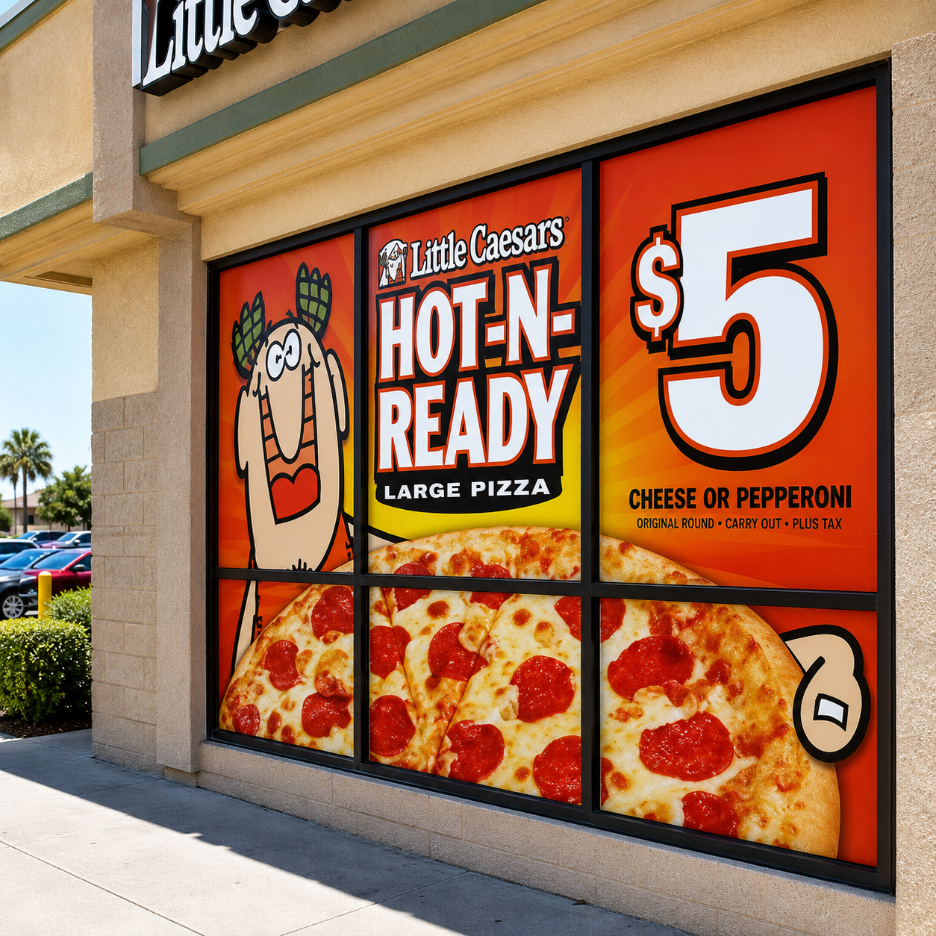
Logos, brand colors, lettering, and custom graphics are applied using high-quality printing and vinyl application techniques. Accurate color matching helps maintain consistency with the company’s existing branding across all marketing materials.
Whether producing storefront signs, wall graphics, monument signs, or directional signage, precision during this stage ensures a polished and professional appearance.
Quality Control Before Installation
Before any sign leaves the production facility, it undergoes a thorough quality inspection.
Quality control helps identify any cosmetic or structural issues before installation. This ensures customers receive signage that meets professional standards and performs as expected. Inspection areas typically include:
- Material quality
- Paint or finish consistency
- Graphic alignment
- Lighting functionality
- Mounting hardware
- Overall structural stability
Every completed sign is reviewed carefully to verify that it matches the approved design and project specifications.
For businesses considering multiple branding improvements, our signage resources provide additional information about selecting the right solutions for different commercial properties.
Professional Sign Installation
Even the highest-quality sign requires proper installation to achieve the best results.
Professional installers understand how different building materials, mounting surfaces, and environmental conditions affect installation methods. Careful planning ensures that the sign is positioned securely while maximizing visibility. Installation often includes:
- Site preparation
- Equipment setup
- Secure mounting
- Electrical connections for illuminated signs
- Final alignment
- Safety inspections
Professional installation also helps ensure compliance with local building requirements and manufacturer recommendations.
A trusted commercial signage company understands that proper installation is just as important as the fabrication process itself.
Ongoing Maintenance Protects Your Investment
After installation, regular maintenance helps preserve the appearance and functionality of your signage. Outdoor signs are exposed to changing weather, sunlight, dust, and everyday environmental conditions. Routine inspections allow small issues to be corrected before they become larger problems. Simple maintenance practices include:
- Cleaning sign surfaces regularly
- Inspecting mounting hardware
- Checking illuminated components
- Removing dirt and debris
- Replacing damaged graphics when needed
- Scheduling periodic professional inspections
Well-maintained signage continues to support your business image while extending the lifespan of your investment.
Why Work with Professional Sign Fabrication Experts?
Choosing experienced professionals offers benefits throughout every stage of the project. From initial consultation to final installation, expert guidance helps businesses achieve signage that reflects their brand while meeting functional requirements.
A professional fabrication team provides:
- Custom design solutions
- High-quality materials
- Precision manufacturing
- Experienced project management
- Professional installation
- Reliable maintenance support
Rather than using standard, one-size-fits-all products, custom fabrication allows businesses to create signage tailored to their location, branding, and operational needs. At Visibility Signs & Graphics, our experienced team is committed to delivering high-quality sign fabrication solutions that help businesses improve visibility, strengthen their brand presence, and create a lasting impression.
Conclusion
Professional fabrication is a detailed process that combines planning, creative design, quality materials, precision manufacturing, and expert installation. Every stage plays an important role in producing signage that attracts attention, strengthens brand recognition, and supports long-term business success.
Whether you need storefront signs, monument signs, illuminated signage, or complete branding solutions, working with an experienced signage company ensures your project is completed with quality and professionalism from start to finish.
At Visibility Signs & Graphics, we are committed to delivering custom commercial signage that reflects your brand and stands the test of time. Contact us today to discuss your next signage project and discover how professionally fabricated signs can enhance the visibility of your business.
Frequently Asked Questions
Sign fabrication is the process of designing, manufacturing, and installing custom commercial signs using materials such as aluminum, acrylic, PVC, vinyl, and LED components.
Professional fabrication ensures your signage is durable, visually appealing, compliant with local requirements, and accurately represents your business brand.
Common materials include aluminum, acrylic, PVC, high-density foam, vinyl graphics, stainless steel, and LED lighting components.
The timeline depends on the sign type, design complexity, material selection, approvals, and installation requirements.
Yes. LED illuminated signs, channel letters, cabinet signs, and backlit displays are all custom fabricated to match your branding and visibility requirements.